
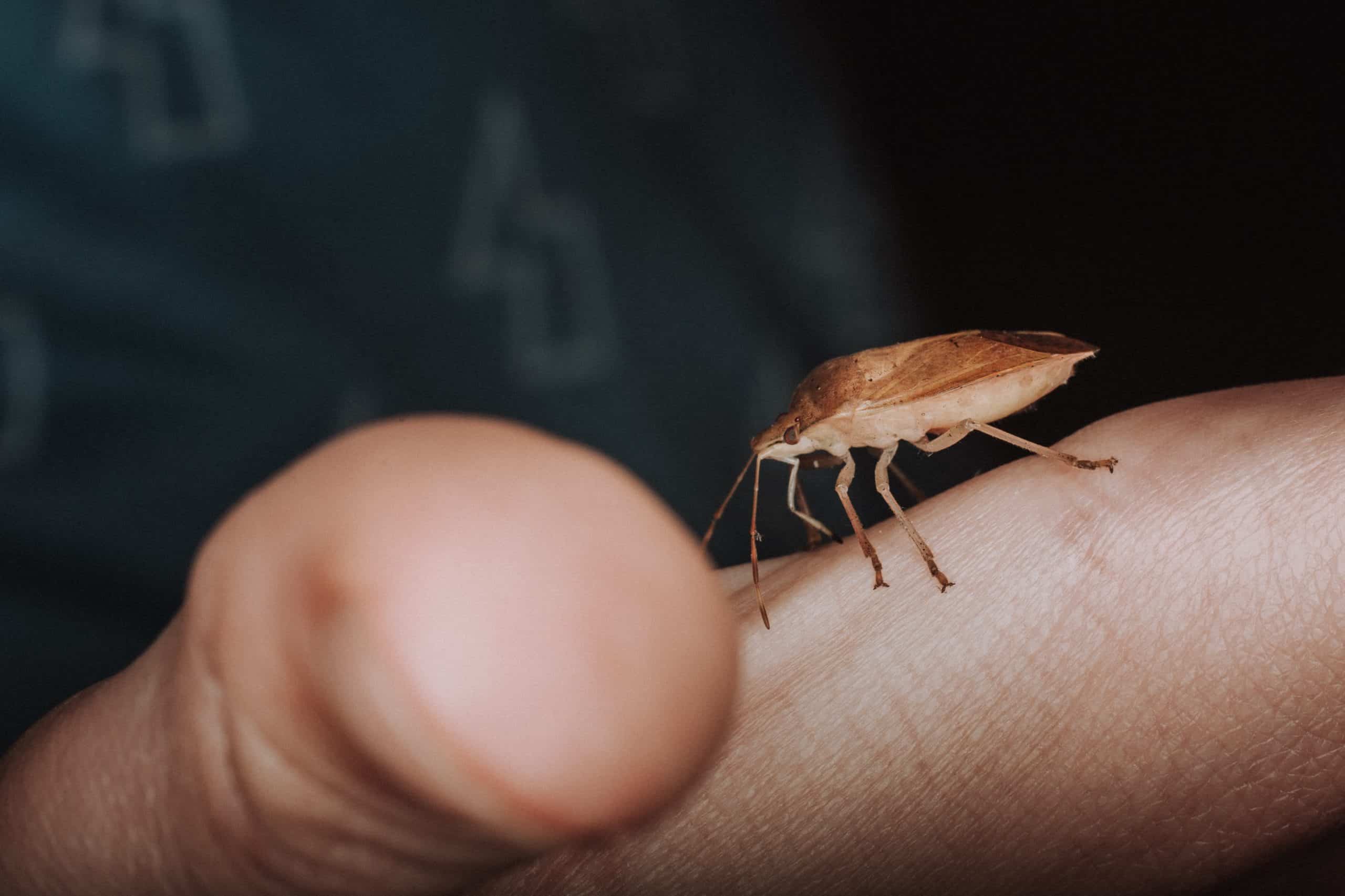

Bed bugs are one of the worst pests that affect your home, causing stress and making your space uncomfortable. Chicago isn’t safe from these insects, so it’s important to know how to spot and get rid of them. Learn the ins and outs of how to check for bed bugs in your home, then find out how The Bug Dr. can help eliminate an infestation.
What Are Bed Bugs and What Do They Do?
Bed bugs are tiny, reddish-brown insects that thrive on human and animal blood. These nocturnal pests hide in cracks and crevices during the day, emerging at night to feed. While they don’t spread diseases, their bites can cause itchy welts and disrupt sleep, leading to anxiety and allergic reactions for some people.
In a bustling city like Chicago, bed bug infestations can quickly spread due to the dense population and high rates of travel from place to place. Spotting the signs early is crucial to preventing a small issue from escalating. Look out for unexplained bites, small blood stains on sheets, or dark spots of bed bug excrement on bedding and furniture.
Catching an infestation early is the best way to manage it. Quick identification allows homeowners to tackle the problem before it grows, saving time, money, and stress. Regular inspections and staying alert help keep your home free of bed bugs.
How to Check for Bed Bugs: Step-by-Step Guide
Any suspicion of bed bug activity needs a thorough inspection to confirm it. Here’s a step-by-step guide to help you identify these pests before they become a bigger problem.
-
Inspect Your Bedding and Mattress
Start with your bedding and mattress, which are the most common hiding spots for bed bugs. Remove all bedding and look for signs such as small blood stains or dark spots. Pay close attention to the seams, edges, and tags of your mattress and box spring. A flashlight can help you see into hard-to-reach areas, ensuring you don’t overlook any potential hiding spots.
-
Examine Bedroom Furniture
Next, check your bedroom furniture. Bed bugs often hide in nightstands, dressers, and other furniture near the bed. Inspect all cracks, crevices, and joints, as these are prime locations for them to hide. Remove drawers and look behind and underneath furniture for a thorough inspection.
-
Check Upholstered Furniture
Upholstered furniture such as couches and chairs can also harbor bed bugs. Examine the seams and undersides, looking for signs such as shed skins or small blood stains. Use a flashlight to inspect where the fabric meets the frame, as bed bugs often hide in these tight spaces.
-
Inspect Wall Hangings and Baseboards
Bed bugs can hide behind wall hangings and along baseboards. Remove picture frames and check the back of each one, as well as the wall behind them. Inspect along baseboards, focusing on corners and any gaps where the floor meets the wall.
-
Use Bed Bug Interceptors
Bed bug interceptors are small devices placed under the legs of beds and furniture to trap bed bugs as they move. These interceptors are useful for ongoing monitoring and can help confirm the presence of bed bugs. Regularly check these devices for any trapped bugs, which can indicate an active infestation.
What to Do If You Find Bed Bugs
Discovering bed bugs can be alarming, but quick action can contain the problem. Isolate the affected area to prevent the pests from spreading. Carefully seal any infested items in plastic bags to trap the bugs and avoid moving these items to other parts of your home, as this can exacerbate the issue.
For immediate treatment, wash all bedding, clothing, and washable fabrics in hot water, then dry them on the highest heat setting to eliminate any remaining bugs and their eggs. Consider using a steam cleaner or consulting a professional pest control service for items that can’t be washed.
Professional help, like that from The Bug Dr., is invaluable for a thorough treatment plan. Experts can offer targeted solutions that are effective and safe, ensuring your home is free from bed bugs.
Preventing Future Infestations
After dealing with an infestation, you don’t want to have to do everything all over again. Regularly inspect your home, especially after travel or hosting guests, as these are common ways bed bugs can enter. Use protective covers on mattresses and box springs to reduce hiding spots and simplify inspections.
Be vigilant when buying second-hand furniture or clothing, as these can harbor bed bugs. Always inspect items thoroughly before bringing them inside. Keeping your home clutter-free also minimizes hiding places, making it easier to detect any issues early on.
Keep Your Home Free of Bed Bugs
Regular inspections are a necessary part of keeping your Chicago home free of bed bugs. By following this guide, homeowners can quickly identify and address any issues, reducing stress and potential damage. If you suspect an infestation, don’t hesitate to contact a professional pest control service such as The Bug Dr. for expert help. With careful monitoring and the right strategies, you can maintain a safe and comfortable home free of pests.


